
How Museum Professionals Shaped the Future of WONDERCUT
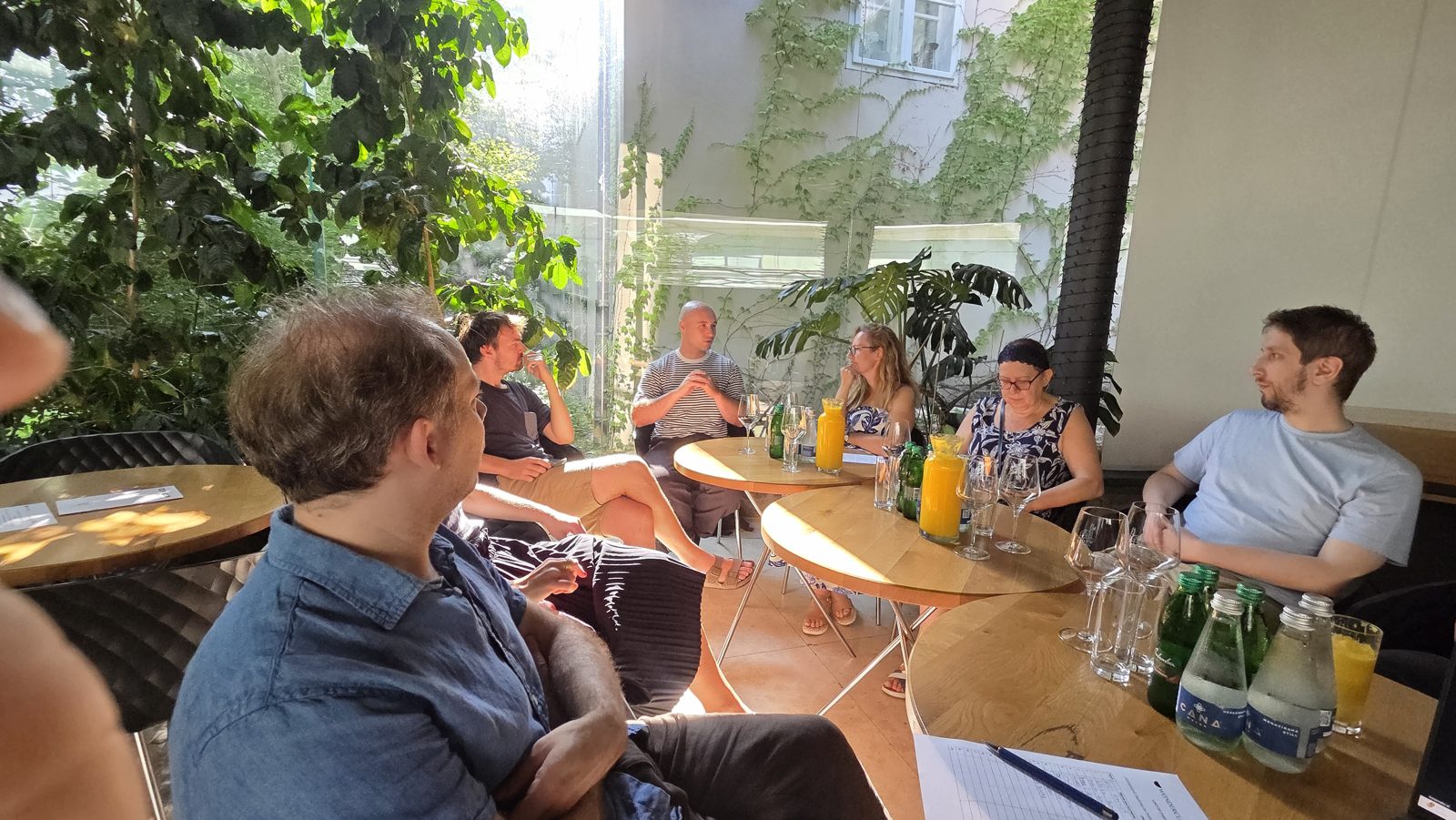
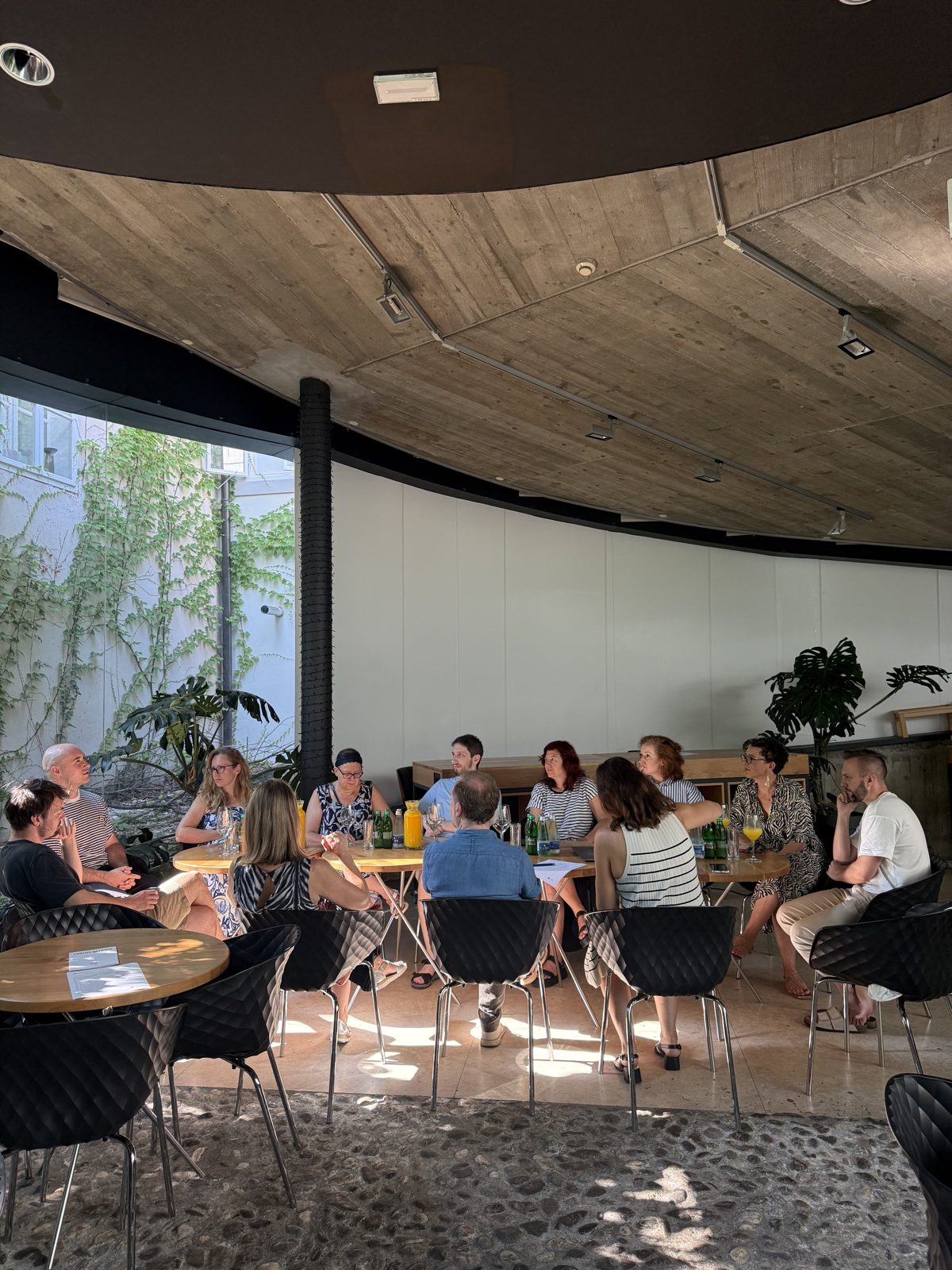
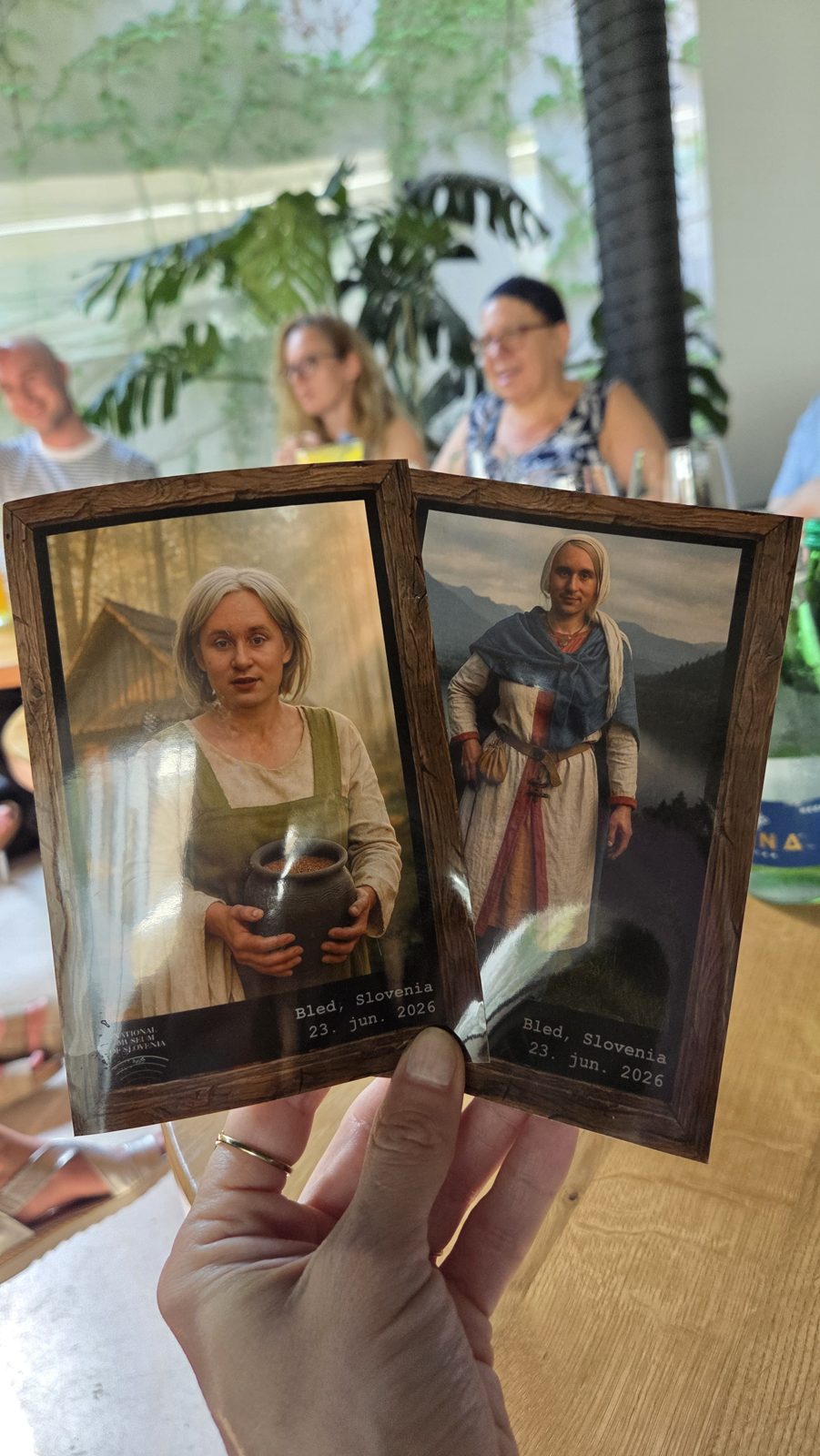
Between March and June 2026, museum professionals across Slovenia were invited to experience WONDERCUT not through a presentation, but by using it themselves. Four pilot events transformed galleries, museum spaces, and heritage sites into places where Artificial Intelligence could be explored, discussed, and questioned in a real cultural context.
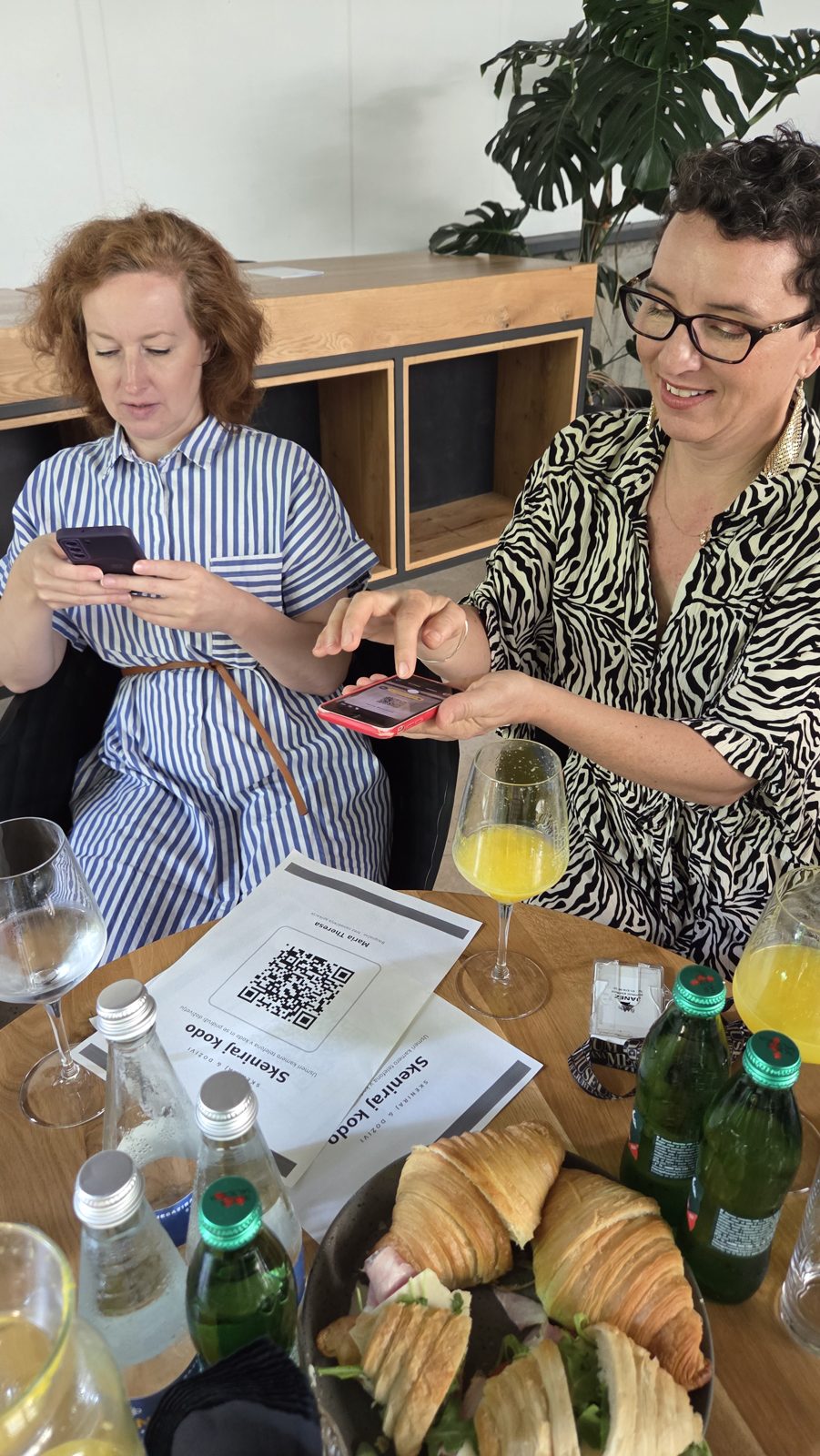
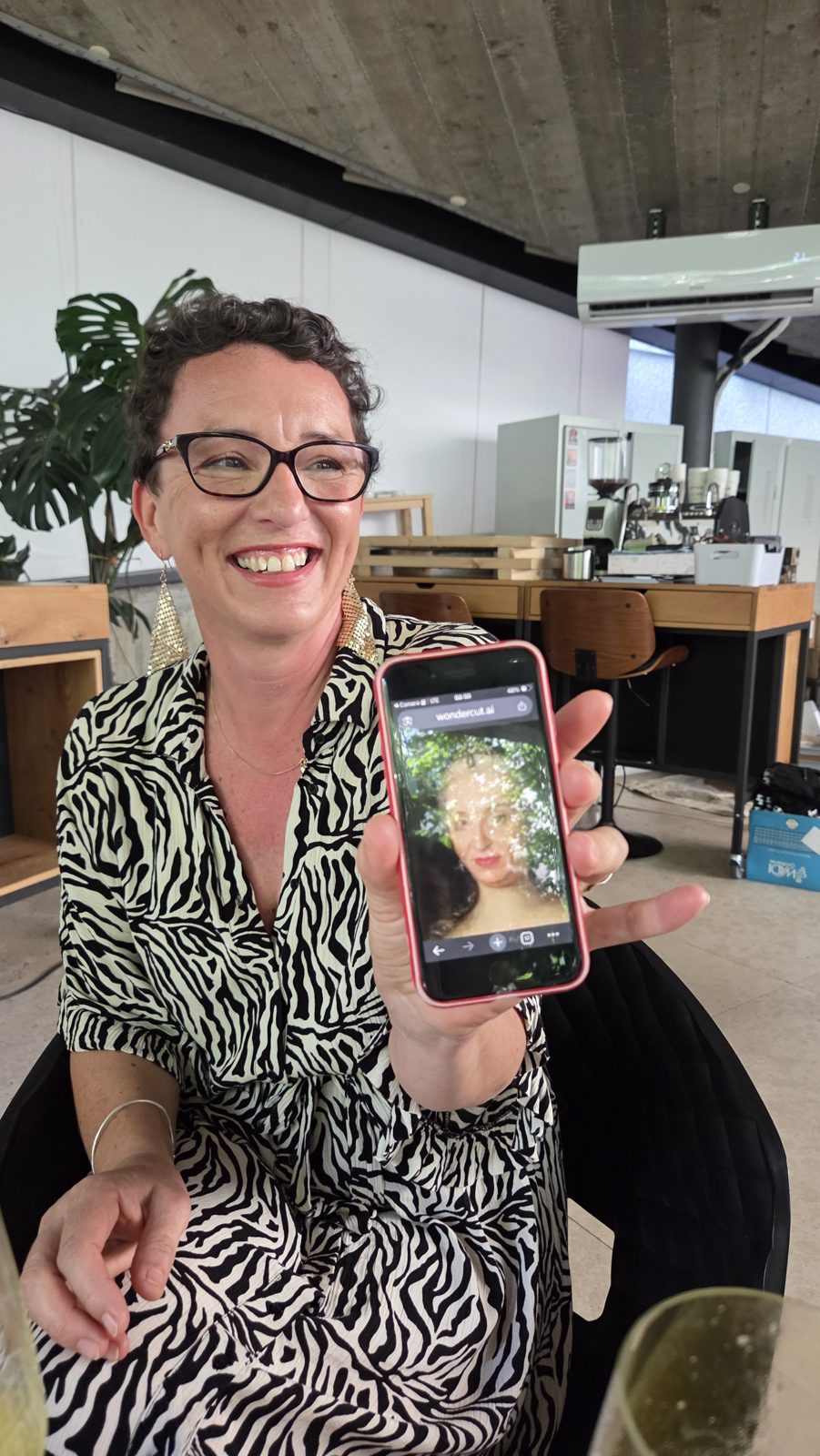
Curators, educators, directors, guides, marketing specialists, and digital innovation experts didn't just watch a demo — they picked up their phones, scanned a QR code, and stepped into the shoes of a visitor. Afterwards, 53 participants shared detailed, structured feedback on what they had experienced.
One of the strengths of this pilot phase was the diversity of participating institutions. Testing took place in a national art gallery, a heritage tourism site, a regional ethnographic museum, and an urban museum network — the National Gallery of Slovenia, Bled Castle, Pomurski Museum Murska Sobota, and the Museum and Galleries of Ljubljana (MGML). This allowed the consortium to evaluate the application across different collections, visitor profiles, and organisational contexts, and the insights gathered in Slovenia will directly inform WONDERCUT's future deployment across cultural institutions in Europe.
Here's what we heard.
A Consistently Positive Evaluation
Following the events, 53 total participants — including 45 cultural heritage professionals and 8 representatives of the WONDERCUT consortium — completed a structured evaluation questionnaire, sharing their impressions across usability, institutional relevance, visitor engagement, and implementation needs. The results indicate a high level of confidence in the application's potential, with average scores ranging from 4.0 to 4.75 out of 5 across every category.
A few highlights:
- Overall user experience — 4.75/5. Participants found the interaction straightforward and enjoyable.
- Staff training requirements — 4.63/5. Museum professionals felt their teams could adopt the tool without heavy investment in training.
- Clarity of instructions, processing speed, and willingness to recommend — 4.50/5 each. The workflow made sense, the experience felt fast enough for live use, and participants were ready to share it with colleagues.
- Ease of use — 4.38/5, with visitor engagement potential, technical reliability, added value, and suitability for institutional deployment all at 4.25/5.
- Quality of AI-generated results — 4.00/5, still a strongly positive score, and one of the areas participants most wanted to see refined further.
Taken together, the numbers point to something simple: professionals across very different institutions arrived at strikingly similar conclusions about where the application stands today, and where it could go next.
Conversations Shaped by Context
Because each pilot took place in a different kind of institution, the discussions naturally took different directions.
At Bled Castle, participants explored how multilingual AI-supported storytelling could enrich visits for international tourists — without replacing the role of guides, who remain central to how the site welcomes its visitors.
At Pomurski Museum Murska Sobota, the conversation shifted towards the realities of smaller, regional institutions: how AI could help make local and ethnographic heritage more accessible to families, schools, and international visitors, even with limited staff and resources.
At the National Gallery of Slovenia, discussion centred on how AI-supported interpretation might complement, rather than compete with, established curatorial approaches to a national art collection.
At MGML, professionals looked further ahead — considering how AI tools could support broader digital transformation across exhibitions, education, and public programmes.
Different institutions, different starting points, but a shared thread: the technology has to serve the museum's own voice, not replace it.
What People Valued Most
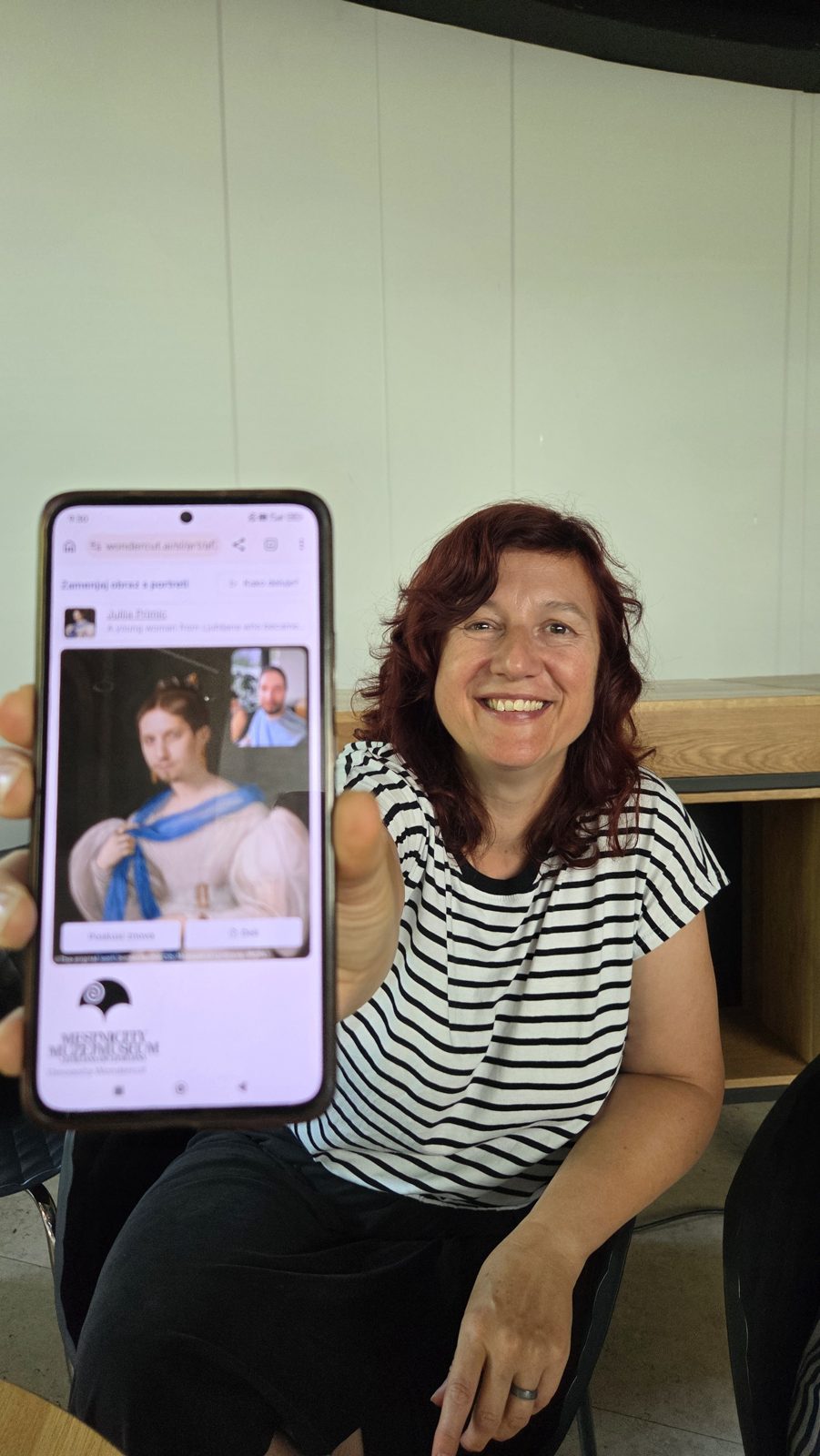
Participants repeatedly highlighted the simplicity of the experience. Scanning a QR code and immediately interacting with a historical figure or artwork lowered the technological barrier considerably, allowing attention to stay on the museum experience itself rather than on the technology. Processing speed and the reliability of the interaction were mentioned just as often — a sign that, for a tool used live in front of visitors, performance matters as much as concept.
Participants saw the strongest potential in permanent and temporary exhibitions, museum nights, educational programmes, and family-oriented events — occasions where a more personal, interactive layer could add something museums don't always have the resources to build themselves.
Where Participants Want to See Growth
Positive feedback came paired with constructive, specific suggestions. Professionals pointed to:
- Richer interpretive content — historical context and "Did you know?" details appearing while an experience is being generated
- Expanded multilingual support, particularly relevant for heritage sites with international visitors
- The possibility of guided visitor experiences supported by AI, extending beyond a single interaction
- A stronger educational layer, deepening the connection between the generated experience and the story behind the collection
One point came through with real consistency: AI-generated content needs to remain scientifically accurate and curatorially validated. Museums trust their own expertise, and they expect any technology they adopt to respect it.
An Honest Conversation, Not Just an Enthusiastic One
Alongside genuine interest, participants were candid about what still needs care. Copyright, the ethical use of AI-generated content, data protection, and the ongoing need for human and curatorial oversight were the concerns raised most often.
This wasn't scepticism about the technology — it was something closer to professional responsibility. Across all four events, the same principle recurred: AI should complement, not replace, the expertise of curators, educators, and museum professionals. It's a way of deepening the connection between visitors and collections, not a substitute for the people who make museums meaningful in the first place.
What Institutions Say They'll Need
Looking ahead to real-world deployment, participants were clear about the conditions that would make adoption realistic for their own institutions:
- A clear pricing and financing model
- Reliable technical support and maintenance
- Content adaptation to each institution's own collections
- Modest but structured staff training
- Full GDPR compliance and responsible data practices
These priorities reinforced a theme that ran through every event: successful AI adoption in museums depends as much on institutional readiness as on the technology itself. That's precisely why the WONDERCUT Deployment Guide for Museums and Galleries was developed, and why it was welcomed at every pilot as a practical resource for institutions preparing to take that next step.
What Stays With Us
Perhaps the most valuable outcome of the pilot phase was not a score or a feature request, but the willingness of museum professionals to openly test, question, and help shape the application. Their experience and feedback are now directly shaping the next stage of WONDERCUT, ensuring that its future development remains grounded in the everyday realities of museums and galleries while supporting the responsible adoption of AI across Europe's cultural heritage sector.
WONDERCUT is co-funded by the European Union under the Creative Europe programme. Views and opinions expressed are those of the authors only and do not necessarily reflect those of the European Union or the European Education and Culture Executive Agency (EACEA).
Working together with



.png)